
How 360-Degree Feedback Builds Trust Between Leaders and Teams

Most leaders believe their team trusts them. Most teams, if they felt safe enough to say it, would give a more mixed answer. That gap between what a leader thinks and what the team experiences is where trust quietly breaks down. 360-degree feedback closes that gap. It collects anonymous input from managers, peers, direct reports, […]
10 Leadership Books Every HR Professional Should Read in 2026

The best leadership books for HR professionals in 2026 are Multipliers, Radical Candor, Dare to Lead, The Five Dysfunctions of a Team, Primal Leadership, Crucial Conversations, Executive Presence, The Culture Map, Think Again, and Powerful. Together they cover coaching, feedback, trust, communication, emotional intelligence, and culture, which are the things HR gets asked about every […]
How 360 Evaluation Software Improves Employee Performance
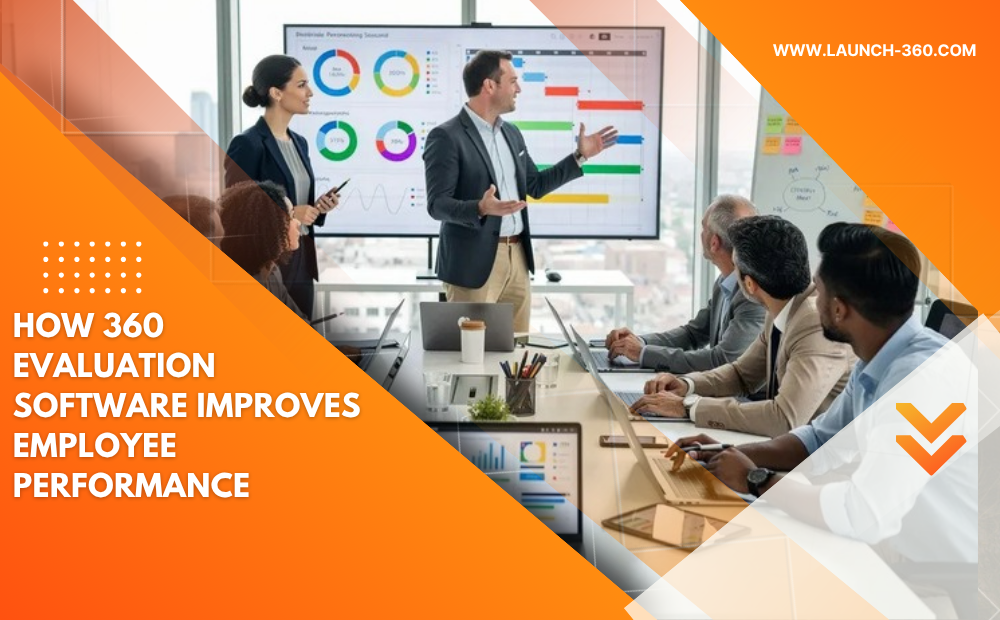
360 evaluation software improves employee performance by collecting anonymous feedback from managers, peers, direct reports, and stakeholders, then turning it into one clear report. People see their blind spots, pick a few focused goals, and track progress over time. Better self-awareness leads to better habits, and better habits lead to better results. Key Takeaways A […]
360-Degree Feedback Tools: 9 Features to Look For in 2026
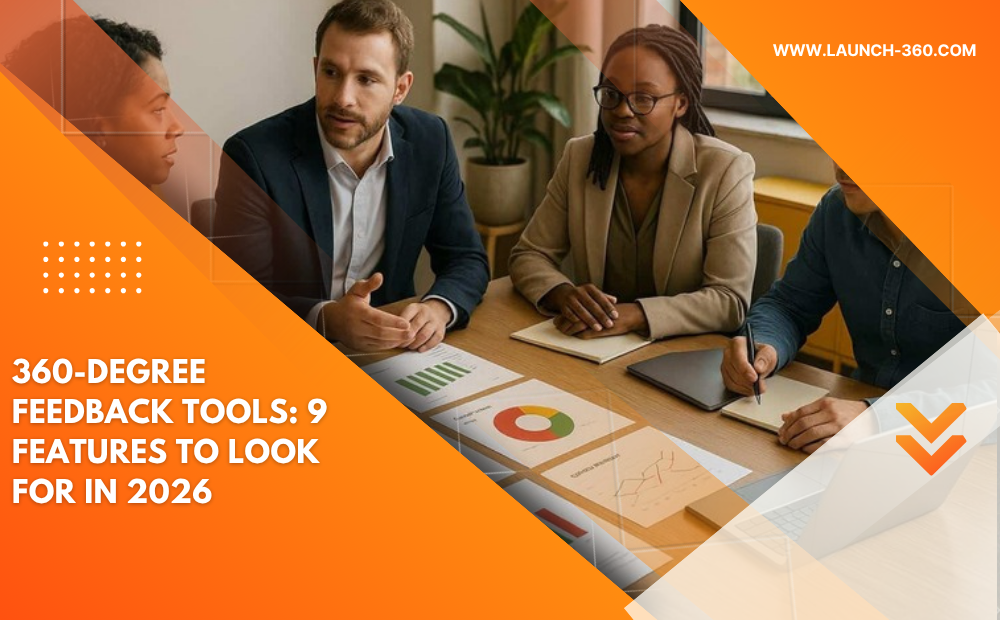
A good 360-degree feedback tool should protect rater anonymity, measure clear leadership competencies, allow customization, automate the survey process, and produce reports people can actually act on. It should also support coaching, scale across teams, and be priced openly. If a tool misses two or three of these, you will probably spend more time fixing […]
How Does a 360-Degree Leadership Assessment Work in Organizations?

If you’ve ever sat in a leadership meeting and wondered why the “top performer” on paper struggles to keep a team engaged, you already understand the problem a 360-degree leadership assessment is built to solve. A single manager’s opinion is only one angle. It misses how a leader actually shows up to peers, direct reports, […]
Best Apps and Tools for Giving Effective Feedback in the Workplace (2026)

Giving feedback well is one of those things that sounds simple until you actually have to do it in front of a real person. Most managers know feedback matters, but a lot of them are still doing it over email, in a rushed Slack message, or once a year during a performance review that nobody […]
360 Performance Evaluation for Smarter Leadership Growth

Most leaders think they know how they come across at work. Honestly, most of them are wrong, at least a little bit. That’s not a character flaw; it’s just how self-perception works. A 360 performance evaluation is the tool that closes that gap, and in this guide we’re going to break down exactly what it […]
How to Measure Leadership Growth: 10 Key Metrics That Matter

Most companies say they want to “grow their leaders,” but if you ask them how they’re actually tracking that growth, you’ll usually get a shrug or a training completion report that doesn’t really prove anything. Completing a workshop is not the same as becoming a better leader, and honestly, a lot of organizations still confuse […]
Software for Managing 360 Performance Reviews: The Complete Guide

If you’ve ever tried to run a 360 review using a shared spreadsheet, a stack of PDFs, and about a dozen reminder emails, you already know why “software for managing 360 performance reviews” is one of the most searched terms in HR right now. Chasing down raters, merging their comments by hand, and then trying […]
How 360-Degree Assessments Support Better Leadership Development

Most companies still judge their leaders based on one opinion, usually their direct manager’s. That’s a problem, because a manager only sees a slice of how someone actually leads. They don’t see how a person treats their team in a tense meeting, how they communicate under deadline pressure, or whether their peers actually trust them. […]